Cute Puppy Embroidery Design Review
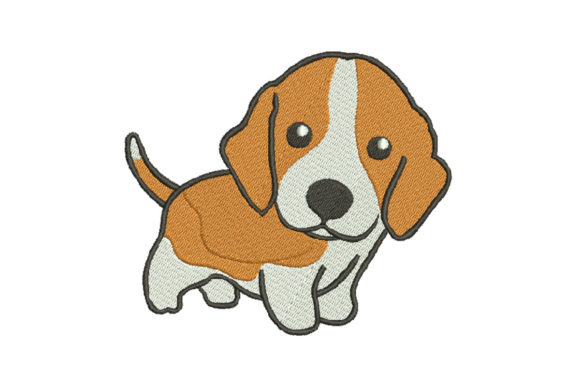
As an experienced embroidery designer preparing for a weekend craft fair, I spend hours evaluating digital assets before they ever hit the hoop. Today, I am reviewing a design titled Cute Puppy. The description promises that this adorable accent will elevate creative projects related to animals, specifically mentioning t-shirts, caps, hoodies, backpacks, and blankets. My goal is to determine if this design has the potential to be a top-selling item in my handmade product line or if it requires adjustments to meet the high standards of serious buyers.
First Impressions and Visual Appeal
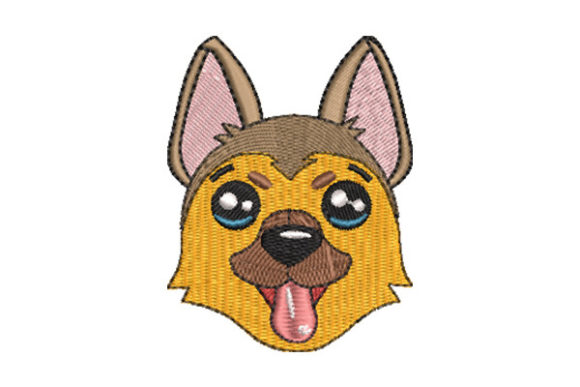
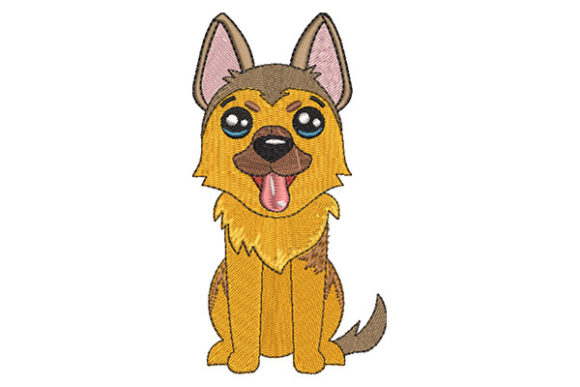
The title Cute Puppy immediately signals a soft, approachable aesthetic. In the world of machine embroidery design, titles often dictate the mood of the piece. This design feels inherently friendly and warm, likely leaning towards a modern farmhouse or playful style rather than something rugged or strictly elegant. For a craft fair product, this emotional connection is vital. Customers at booths are drawn to items that evoke a smile, and a puppy motif is a proven winner for engaging buyers who love animals.
When visualizing this as a standalone piece, it appears designed to function as an accent rather than a massive focal point. This is a strategic advantage for small shop owners looking to create varied inventory without overwhelming their customers. The design suggests it will photograph well for Etsy listings and printable mockups, creating an inviting image that encourages clicks and adds value to the final finished product.
Product Versatility: From Totes to Tea Towels
One of the most critical factors for any embroidery file is its adaptability across different mediums. Based on the description, Cute Puppy is marketed as highly versatile. Let us break down how this design performs on specific handmade products that are staples for boutique makers.
- Tote Bag Design: A tote bag is a canvas for daily life. Placing the Cute Puppy on the side panel or centered on the front creates a charming accessory. It works perfectly as a small shop product because it appeals to dog lovers who need functional bags with personality.
- Apron Embroidery: Kitchens are hotspots for gifts. An apron featuring this design would look delightful hanging on a display rack. The contrast of thread against fabric texture here is key; the design must be clear enough to stand out against busy kitchen patterns or solid colors.
- Tea Towel Embroidery: This is a classic craft fair item. However, the texture of a tea towel can sometimes obscure fine details. If the stitch density of the Cute Puppy is too light, it might get lost in the weave of the towel. If dense enough, it becomes a premium gift item.
- Embroidered Patch: Converting this into an embroidered patch allows for immense versatility. Patches can be ironed onto denim jackets, backpacks, or caps. This expands the reach of the design beyond just pre-made garments.
- Caps and Headwear: Curved surfaces like caps present a challenge. The design needs to be sized correctly so that the curves of the cap do not distort the puppy's features. A smaller, concentrated version would work best here.
Additionally, the mention of hoodies and blankets suggests this design could serve as a larger focal point. While the description highlights "accent" usage, the same design elements could be scaled up for a blanket border, offering a cohesive look for commercial embroidery projects.
Production Practicality and Batch Efficiency
For a digital seller or a booth operator, efficiency is money. Can you produce this design quickly? Does it require excessive trimming or complex stabilizer changes? A design that is easy to understand at a glance is usually easier to stitch reliably. If Cute Puppy relies on tiny, intricate details, it may slow down production time significantly, which impacts profit margins.
I recommend testing this design on scrap fabric to ensure the thread colors pop against various backgrounds. The design should look crisp whether stitched on white cotton, dark denim, or textured linen. Furthermore, consider the repeat factor. If the design is simple enough, it can be repeated in clusters on large items like blankets or used as a pattern on a series of matching pouches. This consistency strengthens your brand identity at the market.
Visual Clarity and Technical Constraints
Not every design translates perfectly to every surface. When evaluating Cute Puppy, we must consider areas where clarity might be lost. Dense stitch areas are common in animal designs to define fur texture, but if the density is too high, the fabric may pucker, especially on thin materials like t-shirts or lightweight hoodies.
Conversely, if the design includes tiny lettering or very small facial features, these details may vanish when stitched on a curved cap or a small fabric pouch. Designs that lose clarity at smaller sizes are risky for mass production unless you have a specialized digitization workflow. Always inspect the stitch density and confirm the hoop size required. If the design requires a large hoop but you only have a 4x4 inch frame, you will face significant limitations in what products you can offer.
Dark fabrics present another hurdle. Light-colored threads on dark fabric can sometimes lack definition if the underlay isn't perfect. Conversely, dark threads on light fabric are generally safer. Before committing to a full run of market bags or pillow covers, check how the thread contrast holds up. You want the puppy to be the star, not a blurry silhouette.
Designer's Checklist for Success
To ensure Cute Puppy delivers on its promise of being an adorable accent, follow these practical steps before hitting the sales floor:
- Test on Scrap Fabric: Never assume the design works until you see it stitched. Test on the actual fabric you intend to sell, such as the specific weight of the tote bag material.
- Check Thread Contrast: Ensure the chosen thread palette stands out against your product base. High contrast usually sells better in person.
- Review Spacing: Make sure there is adequate room around the design for finishing touches like cutting away excess stabilizer or adding backing.
- Confirm Hoop Size: Verify that the design fits within your machine's standard hoops to avoid unnecessary repositioning.
- Inspect Stitch Density: Look for areas that might be too crowded, which can cause puckering, or too sparse, which can look unfinished.
- Use the Right Stabilizer: Different fabrics require different support. Heavy towels need heavy stabilizers, while delicate t-shirts need lighter ones.
- Create Real Mockups: Produce at least one real sample to photograph. Digital renderings are helpful, but nothing beats the tactile proof of a finished item.
- Compare Fabric Colors: See how the design looks on white, black, grey, and pastels to ensure it fits your brand's color story.
- Confirm Commercial Licensing: Before selling finished products or distributing the digital embroidery file, double-check the license terms to ensure you are legally cleared to operate.
Final Verdict for Craft Fair Sellers
The Cute Puppy design has strong potential to become a crowd-pleaser at any handmade market. Its focus on animal themes aligns perfectly with current trends in creative entrepreneurship. By carefully selecting the right products—such as tea towel embroidery or tote bag design applications—you can maximize its appeal. Remember, the success of a handmade product often comes down to the quality of execution. With proper attention to stabilizer choices, thread colors, and fabric selection, this design can add a touch of charm to your booth that draws customers in and drives sales.