Lonely Deer Embroidery Design Review
A Thoughtful First Impression for Brand Builders
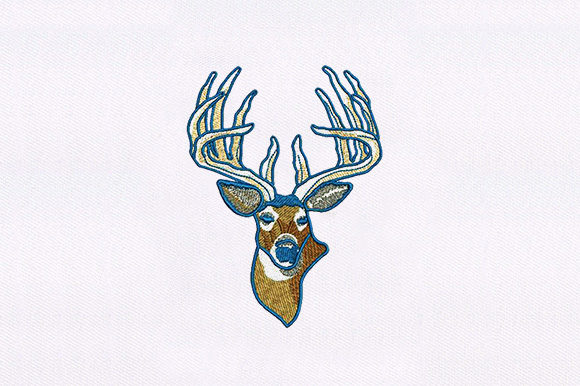
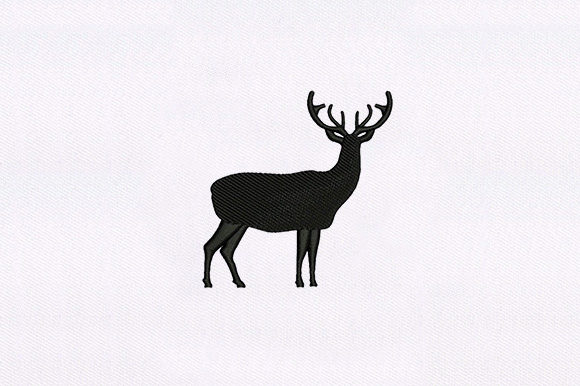
“Lonely Deer” evokes quiet strength, gentle individuality, and woodland charm—ideal for small businesses that value authenticity over flash. As an experienced embroidery designer, I immediately read this title not as melancholy, but as intentional: a single, centered figure suggesting focus, calm confidence, and artisanal care. The Woodland Animals category signals natural appeal—perfect for cafés with forest-themed interiors, florists using organic branding, pet brands honoring wildlife empathy, or handmade studios emphasizing earthy craftsmanship. Visually, I expect clean linework, balanced negative space, and scalable silhouette integrity—not ornate filler, but thoughtful restraint. That’s exactly what makes Lonely Deer a smart machine embroidery design for business use: it reads clearly at 2 inches and holds presence at 4.5 inches without visual fatigue.
Where Lonely Deer Shines in Real Small Business Merch
Lonely Deer isn’t just decorative—it’s functional storytelling. On a staff apron? It lands as warm professionalism—neither corporate nor kitschy. On a café cap front? Its centered composition avoids distortion on curved surfaces when digitized with proper underlay and pull compensation. As an embroidered patch sewn onto tote bags or denim jackets? It reinforces brand identity through tactile consistency: customers remember how the deer feels under their fingers—not just how it looks. For boutique merchandise like ceramic mugs or linen tea towels, pairing Lonely Deer with minimalist typography in a printable mockup builds cohesive visual language across product lines. Etsy sellers report higher engagement when using Lonely Deer as a subtle sleeve detail on work shirts—small enough to feel personal, distinct enough to spark conversation. And for local events or pop-up markets, Lonely Deer on cotton twill patches becomes instant recognition: no logo needed, just one resonant image that says “handmade, grounded, trustworthy.”
Smart Applications Across Your Product Ecosystem
- Cap embroidery: Works best on structured front panels (not low-profile curved crowns) when sized 2.25–2.75″ wide—maintains antler clarity without thread buildup.
- Apron embroidery: Ideal placement: left chest (2.5″ height) or lower right corner (3.5″)—adds character without competing with pockets or stains.
- Tote bag design: Scales beautifully to 4″ wide on natural canvas; avoid placement near seams where tension distorts stitch density.
- Custom apparel: Performs consistently on midweight cotton, poly-cotton blends, and linen—key for uniform durability and frequent washing.
- Product packaging accents: Stitched onto kraft paper gift tags or fabric labels, Lonely Deer elevates perceived value of handmade product bundles.
Use With Intention—Not Everywhere
Lonely Deer is versatile—but not universal. Avoid placing it below 1.75″ on high-curve surfaces like baseball cap fronts without re-digitizing for reduced jump stitches and tighter underlay. On dark uniforms, confirm thread colors provide sufficient contrast: charcoal gray thread on navy may disappear; ecru or oatmeal pops while keeping warmth. Because it’s a silhouette-based embroidery file, fine antler tips or delicate eye detail can blur on textured fabrics (e.g., heavy terry cloth or bouclé) unless stabilizer choice matches fiber loft. Also note: if your version includes interior line work or shading, review stitch density before mass production—dense fills increase run time and risk puckering on lightweight tees. Always test on your actual fabric, not just tear-away stabilizer alone.
How Lonely Deer Strengthens Your Brand Identity
In a crowded marketplace, consistency builds trust—and Lonely Deer delivers that quietly. Unlike trendy fonts or seasonal graphics, it carries timeless resonance: customers associate its calm presence with reliability, care, and intentionality. When used across staff uniforms, customer totes, and product labels, it creates subconscious cohesion—no tagline required. For crafters and Etsy sellers, it signals premium handmade execution: the clean edges and balanced weight say “designed for real-world wear,” not just screen-printed novelty. That perception lifts perceived product value and encourages repeat purchase. Most importantly, it invites emotional connection—shoppers don’t just buy a bag; they adopt a story. That’s why Lonely Deer works so well for florists (nature reverence), bakeries (quiet craftsmanship), and pet brands (gentle stewardship).
Practical Designer Notes Before You Stitch
Before committing to production, run these checks:
- Test the digital embroidery file in black and white first—verify antler separation and leg definition without color distraction.
- Resize to your smallest intended use (e.g., 1.8″ patch) and check for lost detail—some versions hold at 1.5″; others need minimum 2″.
- Review thread color recommendations—if none are included, prioritize matte cottons (like Madeira Polyneon or Isacord) for soft sheen and wash resilience.
- Inspect spacing between elements: tight antler gaps may require manual editing if your machine struggles with short jumps.
- Confirm hoop size compatibility—many Lonely Deer files fit standard 4×4 hoops, but larger variants may need 5×7.
- Always test on your target fabric + stabilizer combo: cutaway for knits, tear-away for stable wovens, fusible for lightweight linens.
- Create a printable mockup for client approval—showing Lonely Deer beside existing design assets ensures visual harmony.
- Verify commercial licensing—this machine embroidery design is intended for small business merch, but confirm terms match your scale (e.g., unlimited units vs. limited runs).
Remember: the strength of Lonely Deer lies not in complexity, but in clarity. When executed well—with attention to thread, tension, and context—it becomes more than a deer. It becomes your brand’s quiet signature.