Oh Deer Embroidery Design Review
As a designer who spends half my life staring at stitch lines and the other half trying to convince clients that handmade quality justifies the price, I approach every new digital file with a mix of optimism and skepticism. The market is flooded with generic clip-art turned into embroidery files, so finding a design that actually holds up in real-world application is rare. That is why I took Oh Deer for a spin before committing it to any final production runs. My goal was simple: determine if this design has the structural integrity and aesthetic appeal required for high-end custom apparel, boutique goods, or even just a heartfelt personalized gift.
First Impressions and Visual Personality
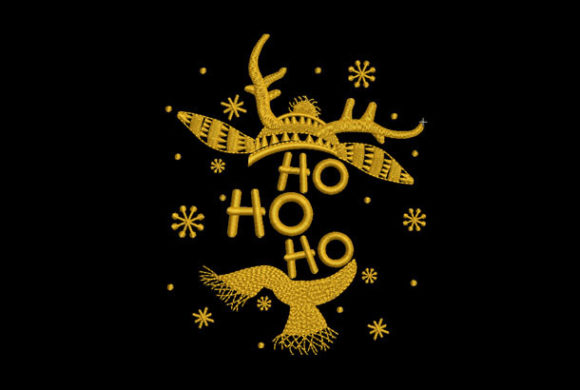
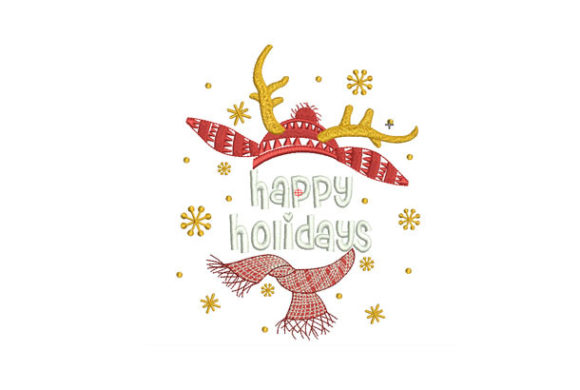
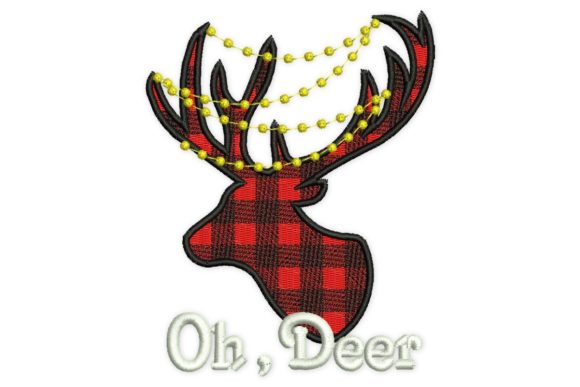
When you first open the file, the immediate takeaway is how clean the vector paths translate into stitch data. There is no messy clutter here. The design features a stylized deer motif that balances whimsy with sophistication. It does not scream "craft fair discount" but rather whispers "boutique quality." This distinction matters immensely when you are building a brand identity as an Etsy seller or running a small shop product line.
The visual personality of Oh Deer leans heavily into cozy elegance. It feels like something you would see on a high-end linen tea towel or a muted sage green sweatshirt. It avoids being overly cartoonish, which allows it to age well. Trends in embroidery design come and go, but classic silhouettes tend to sell consistently because they appeal to a broader demographic. This design sits comfortably in that sweet spot—it is fun enough for children’s items yet refined enough for adult-focused merchandise.
Real-World Application Scenarios
I spent some time mentally mapping out where this machine embroidery design would fit best. The versatility is its strongest asset. Here is how I see it performing in specific project types:
- Holiday Embroidery Projects: Given the seasonal nature often associated with deer motifs, this works beautifully for Christmas decor. However, it is not limited to just one holiday. It fits naturally into autumn harvest themes, winter nursery decor, and even rustic wedding favors. Its neutral charm means it can be adapted with thread color changes to fit various palettes without losing its core identity.
- Custom Apparel and Sweatshirts: I envision this placed on the chest of a heavyweight cotton blend sweatshirt. The scale seems appropriate for a left-chest placement or a larger center-back print. The clean lines ensure it remains legible even from a distance, which is crucial for brand consistency in retail environments.
- Baby and Nursery Items: For baby embroidery, simplicity is key. Overly complex designs can look cluttered on tiny onesies or bibs. Oh Deer offers enough detail to be interesting but lacks the fine, fragile lines that might get lost in thick jersey knits or fleece. It would make a stunning addition to a muslin blanket or a wooden toy box.
- Home Decor and Textiles: On a tote bag design made of sturdy canvas, this would pop. Similarly, on kitchen textiles like aprons or tea towels, it adds a touch of farmhouse chic. The design’s balance prevents it from looking too heavy on light fabrics or too faint on dark backgrounds, provided you choose your thread colors wisely.
Technical Performance and Stitch Analysis
From a technical standpoint, the construction of this embroidery file appears thoughtful. The use of different stitch types—likely a combination of satin stitches for outlines and fill stitches for body mass—creates depth without excessive bulk. This is critical for comfort, especially in garments worn against the skin.
One aspect I always scrutinize is the stitch density. If a design is too dense, it can pucker the fabric, ruining the drape of the material. If it is too sparse, it looks unfinished. Oh Deer seems to strike a balanced ratio. It uses negative space effectively, allowing the fabric texture to show through in areas where appropriate. This interplay between thread and fabric elevates the finished product, making it feel more expensive than it likely is.
However, designers must remain vigilant about hoop size limitations. While the design is scalable, attempting to digitize or resize it beyond its intended parameters can distort the proportions. Always check the recommended hoop size before loading it into your machine. Furthermore, the transition between colors should be smooth, minimizing jump stitches that could snag or create unsightly threads on the back of the work.
Where Caution Is Required
No design is perfect for every situation. There are specific scenarios where Oh Deer might require careful handling or alternative approaches:
- Small Hoop Sizes: If you are working with very small hoops (under 4x4 inches), the finer details may become indistinct. Test this on scrap fabric first to ensure the smallest elements remain clear.
- Textured and Stretchy Fabrics: While it performs well on stable fabrics, highly textured materials like chunky wools or stretchy spandex blends can hide the intricate details. In these cases, using a proper stabilizer is non-negotiable to prevent shifting and distortion.
- Dense Stitch Areas: Although the density is balanced, areas with heavy fill stitches might feel stiff. For items like caps or hats where flexibility is desired, consider reducing the density slightly if your software allows, or opt for a lighter background fabric.
- Dark Fabric Backgrounds: When stitching on dark fabrics, contrast is everything. You may need to use underlay stitches or a backing layer to ensure the thread colors stand out vividly. Without proper preparation, the design can look muddy or dull.
Impact on Product Value and Customer Trust
In the world of handmade products, presentation is everything. A well-executed embroidered patch or a cleanly stitched finished product signals professionalism. Customers can often tell the difference between a rushed job and one done with care. Using a high-quality design like Oh Deer contributes to this perception of quality.
For commercial embroidery businesses, this design offers strong potential for repeat sales. Its broad appeal means it can be used across multiple categories—from digital embroidery file bundles to physical goods. When customers receive a personalized gift that looks polished and durable, they are more likely to leave positive reviews and return for future purchases. This builds trust and enhances your reputation as a reliable creator.
Practical Designer Notes for Implementation
Before integrating Oh Deer into your workflow, I recommend following these practical steps to ensure success:
- Test on Scrap Fabric: Never run a new design directly onto your final material. Use scraps of the same fabric type to check for puckering, tension issues, and color accuracy.
- Review Stitch Density: Zoom in on the digital preview. Are there any overlapping stitches that might cause needle breaks? Adjust settings if necessary.
- Check Licensing: Ensure you have the right to use this design for commercial purposes if you plan to sell the finished items. Licensing terms vary, and violating them can lead to serious legal issues.
- Mockup Visualization: Create printable mockups to see how the design looks on different products. This helps you visualize the end result and market the item effectively to your audience.
- Stabilizer Selection: Match your stabilizer to your fabric weight. Light fabrics need light stabilizers; heavy fabrics need robust support. This step is often overlooked but is vital for a clean finish.
Final Verdict
Oh Deer is a standout addition to any library of design assets. It combines artistic charm with technical reliability, making it suitable for a wide range of embroidery projects. Whether you are creating unique gifts for friends or expanding your craft business inventory, this design delivers on both aesthetics and functionality. It respects the craft of embroidery while offering modern appeal. For designers seeking a versatile, elegant, and user-friendly option, Oh Deer earns a strong recommendation.