Teapot Embroidery Design Review for Business Merch
As an experienced embroidery designer who has spent years refining designs for small business merchandise, I approach every new file with a critical eye. When evaluating the Teapot design for commercial applications, we must look beyond simple aesthetics and consider how it functions as a brand asset. This review focuses on the practical application of this machine embroidery design for branded patches, staff uniforms, caps, tote bags, and product labels. Whether you are running a boutique café, a handmade shop, or a creative studio, understanding the nuances of your design assets is crucial for maintaining professional standards.
First Impressions: Visual Personality and Brand Fit
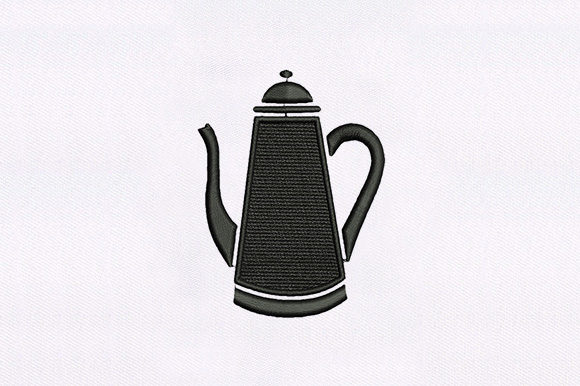
The title Teapot immediately suggests a specific niche. In the world of embroidery, names often dictate the mood of the piece. A teapot evokes feelings of warmth, hospitality, and tradition. For a small business owner in the tea industry, a bakery, or a cozy lifestyle brand, this design type promises a friendly yet elegant aesthetic. However, without seeing the actual stitch work, we must assume based on standard industry practices that this design likely balances decorative flair with legibility.
When considering the Embroidery category, the visual weight of the design becomes paramount. Is it bold enough to stand out on a dark uniform, or delicate enough for a premium tote bag? For a design intended for small business merch, the personality must align with your brand identity. If your brand is rustic and handmade, a highly detailed, realistic teapot might feel too polished. Conversely, if you are aiming for a modern, minimalist look, a stylized outline might be more appropriate. The first step in reviewing any digital embroidery file is determining if its character matches your customer's expectations for quality and trust.
Real-World Application: Patches, Uniforms, and Accessories
The true test of a design like Teapot lies in its versatility across different mediums. Let us imagine a scenario where a local coffee shop wants to upgrade their staff aprons and create branded patches for loyal customers. How does this design perform?
- Embroidered Patches: For patch production, the stability of the design is key. A teapot shape often includes curves that can distort if the stitch density is not managed correctly. As a designer, I would evaluate whether the outlines are dense enough to hold their shape when cut from the backing. A well-executed embroidered patch adds a tangible sense of value to the item, turning a simple accessory into a collectible brand element.
- Apron Embroidery: Staff uniforms require durability. An apron design needs to withstand frequent washing and handling. If the Teapot design features intricate details in the spout or handle, these areas are prone to wear. Placing this design on the chest pocket or the back yoke of an apron allows for a larger canvas, ensuring the details remain crisp and the thread colors pop against the fabric texture.
- Cap Embroidery: Caps present unique challenges due to their curved surfaces. A complex teapot design might flatten unevenly on a baseball cap front. It is often better to use simplified versions of such designs for headwear. However, if the design is robust, it can serve as a distinctive logo accent that separates a local brand from generic competitors.
- Tote Bag Design: Tote bags are perhaps the most versatile canvas for custom apparel. A Teapot motif here acts as a walking advertisement. Since tote bags are often made of cotton or canvas, they accept stitches well. This is an excellent opportunity to showcase the full detail of the design, reinforcing the brand's connection to tea culture or home comfort.
Strategic Limitations and Risk Management
While the potential is high, there are specific scenarios where a design named Teapot requires caution. Small business owners must avoid placing detailed embroidery on items that will undergo extreme stress or have limited surface area.
One major concern is stitch density. Designs with heavy fill stitches can become stiff and uncomfortable on garments worn close to the skin, such as work shirts or fitted hats. If the Teapot file includes excessive detail in the body of the pot, it may cause puckering on lightweight fabrics. Additionally, tiny lettering or fine lines within the design can disappear entirely when embroidered at small sizes, such as on a 2-inch patch or a sleeve cuff.
Fabric texture also plays a significant role. On textured materials like fleece or heavy denim, the definition of the design may be lost. Dark uniforms present another hurdle; unless the thread colors chosen offer high contrast, the design could blend into the background, reducing its effectiveness as a brand identifier. Furthermore, items that require frequent industrial washing need designs that prioritize durability over artistic complexity. Always inspect the spacing of the stitches to ensure they do not tear through the fabric during agitation.
Technical Considerations for Production
Before committing to a bulk run, a professional workflow is essential. The product description lists numerous embroidery file formats including 10O, ART, CND, DSB, DST, DSZ, EXP, HUS, JEF, PCS, PEC, PES, TAP, VIP, VP3, and XXX. This wide compatibility is a strong indicator of usability across different machines, but it does not guarantee perfection.
Here are critical steps to validate the Teapot design for commercial use:
- Test in Black and White: Convert the design to a monochrome view to check the stitch distribution. This helps identify areas of high density that might cause fabric distortion.
- Verify Hoop Size: Ensure the design dimensions fit your intended hoop size. A design that is too large for a standard 4x4 hoop will require multiple hooping moves, which can lead to registration errors and misalignment.
- Check Thread Color Contrast: Simulate the thread colors against your target fabric. Poor contrast reduces visibility and professionalism. Use a printable mockup to visualize the final result before cutting any thread.
- Inspect Spacing and Density: Look for gaps between stitches that might reveal the fabric underneath, especially on light-colored threads. Conversely, ensure there is no overcrowding that creates a hard, plastic-like feel.
- Select Proper Stabilizer: The choice of stabilizer is just as important as the design itself. For curved surfaces like caps, a cut-away stabilizer provides necessary support to prevent distortion.
- Confirm Commercial Licensing: Before using the design for commercial embroidery projects, verify the licensing terms. Some files are for personal use only, and selling products with them can lead to legal issues.
Impact on Brand Identity and Customer Trust
Every stitch tells a story about your business. A poorly executed design can signal carelessness, while a high-quality digital embroidery file demonstrates attention to detail. When customers see a sharp, well-placed Teapot logo on a tote bag or a neatly stitched patch on an apron, it reinforces their perception of your brand's professionalism.
This visual consistency builds customer trust. In the competitive landscape of handmade product sales and Etsy branding, the quality of your merchandise often speaks louder than your marketing copy. A cohesive look across all touchpoints—from staff uniforms to product packaging accents—creates a memorable experience. It transforms a simple transaction into a brand engagement moment.
Ultimately, the Teapot design serves as a powerful tool for small business owners looking to elevate their finished product. By treating it as a strategic asset rather than just a decoration, you ensure that your embroidery contributes to long-term brand growth. Whether used for event merch, craft business assets, or client gifts, the key lies in rigorous testing and thoughtful application. Take the time to review the technical specifications, test on real fabric, and compare it beside other design assets to ensure it meets your high standards.