D Font Antique Review for Real Embroidery Projects
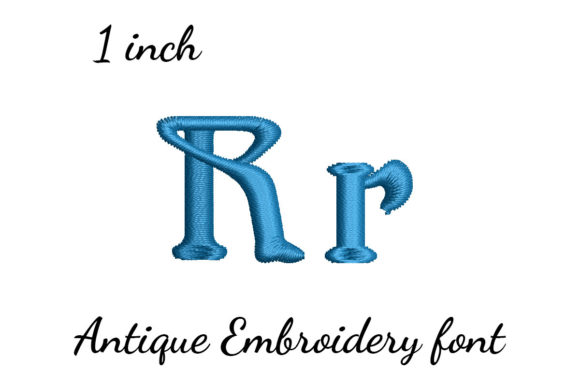
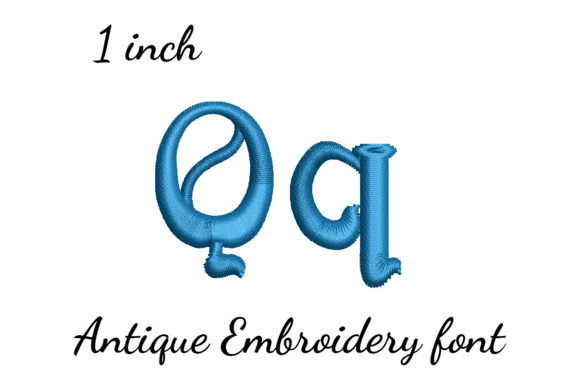
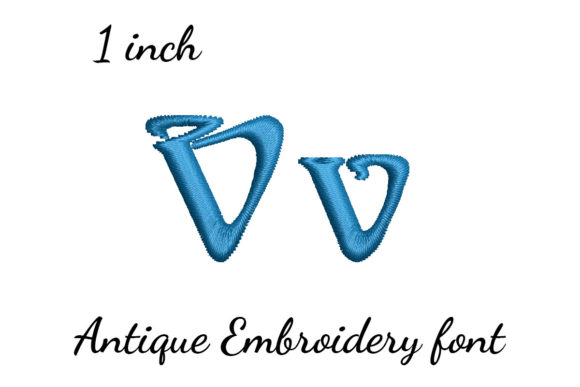
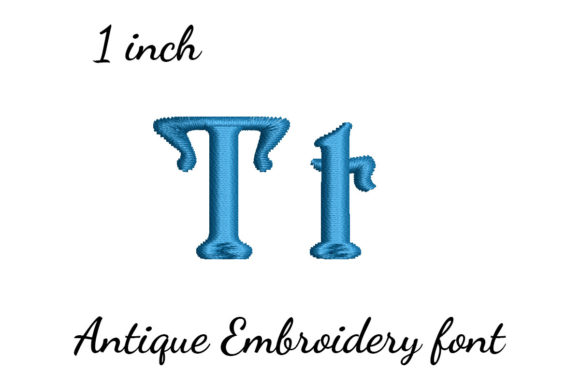
When I first opened the file for D Font Antique, my initial reaction wasn't about the technical specs or the number of colors. It was about the mood. There is a specific energy that comes with an antique-style typeface, and this design captures it perfectly without feeling dated or overly cluttered. As someone who has spent years evaluating embroidery files for client work and my own handmade shop, I know that the difference between a generic design and a standout piece often lies in these subtle character details. This font doesn't just spell out a letter; it sets a tone of heritage, craftsmanship, and timelessness.
I decided to put D Font Antique through its paces immediately after downloading it. My goal was to see how it would translate from a digital screen to actual thread on fabric. The product description highlights its versatility, but as a designer, I need to see the execution. Does it hold up under tension? Does the satin stitch definition remain crisp, or does it get lost in the weave? Let's walk through exactly how this design performed when I moved it into a real-world scenario.
From Screen to Stitch: A Real-World Test
To truly understand the potential of this design, I didn't just run a test swatch. I imagined a specific project: a custom embroidered tote bag for a local boutique wedding gift. The client wanted something that felt personal yet elegant, suitable for a "Wedding Monogram" collection but distinct enough to stand out on a shelf among mass-produced items. I selected a sturdy cotton canvas for the tote and chose a deep navy thread to contrast against the natural beige fabric.
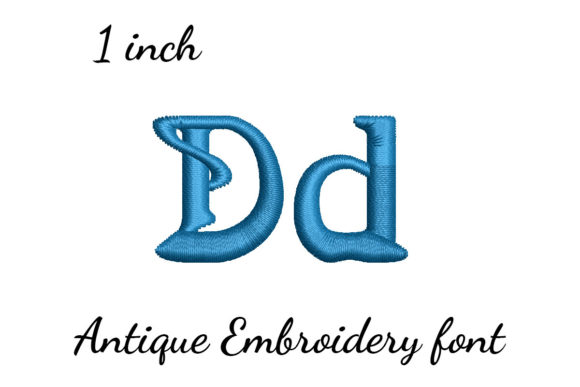
The moment the machine started stitching D Font Antique, the results were promising. The curves of the letter flowed naturally, and the antique serifs caught the light beautifully. Because the design relies heavily on clean lines rather than excessive fill density, it avoided the common issue of puckering that often plagues larger letters on thinner fabrics. On the finished tote, the letter looked substantial but not heavy. It had a tactile quality that made the bag feel more expensive than it actually was. For an Etsy seller or a small business owner, this kind of visual weight is crucial. It signals quality to the customer before they even read the price tag.
I also considered how this would look on other surfaces. Imagine this same letter on a baby onesie in soft white, stitched in a pastel pink. The antique style adds a layer of sophistication that elevates simple baby clothing into a keepsake item. Or picture it on a patch for a denim jacket—here, the ruggedness of the font complements the texture of the denim perfectly. The design feels at home in both delicate nursery decor and rugged outdoor gear, which is a rare trait for a single letter design.
Where D Font Antique Shines Best
This machine embroidery design is particularly effective for projects where branding and personality are key. If you are creating custom apparel like sweatshirts or t-shirts, this font offers a vintage aesthetic that pairs well with distressed graphics or retro color palettes. It works exceptionally well for holiday embroidery projects, such as monogrammed stockings or kitchen towels where a touch of nostalgia fits the season.
- Apparel and Accessories: It looks fantastic on caps and hats, provided the curvature isn't too extreme. The letter holds its shape well enough to be legible on a curved surface.
- Home Decor: Pillow covers and aprons benefit from the classic look. The design doesn't compete with busy patterns; instead, it anchors them.
- Gift Items: For personalized gifts, the antique style implies care and tradition. It transforms a standard item into a sentimental object.
- Commercial Assets: For digital product sellers creating printable mockups, this font provides a realistic preview of how a physical product will look, helping buyers visualize the final result.
In terms of stitch types, the design likely utilizes a mix of satin stitches for the outlines and running stitches for finer details. This combination ensures that the letter remains readable even if the fabric texture is slightly rough. When used correctly, the stitch density prevents the background fabric from showing through too much, maintaining a professional finish.
Critical Considerations and Potential Pitfalls
While D Font Antique is a strong contender for many projects, no design is perfect for every situation. As a reviewer, I have to point out where caution is needed. If you are working with very small hoop sizes, the fine details of the antique serifs might become indistinguishable. Tiny lettering can sometimes lose its charm when scaled down too far, resulting in a blob rather than a crisp letter.
Fabric choice is another critical factor. Textured fabrics, such as chunky knits or heavy corduroy, can hide the nuances of the design. Similarly, stretchy fabrics require careful stabilizer usage. Without the right support, the tension of the satin stitch could cause the fabric to pucker around the letter, ruining the silhouette. Dark fabrics can also pose a challenge if the thread color chosen doesn't offer sufficient contrast. Always test your thread colors against the fabric before committing to a full production run.
Additionally, if you plan to use this for an embroidered patch that will undergo frequent washing or heavy wear, ensure the design includes adequate underlay and dense coverage to prevent fraying. Layered garments, like hoodies with pockets, present their own set of challenges regarding hoop size and stability. The design itself is solid, but the application environment matters immensely.
Practical Designer Notes for Success
Before you start stitching hundreds of units for your craft business or handmade shop, there are a few steps I always recommend taking. First and foremost, test the design on scrap fabric that matches your final material. This allows you to check the stitch density and adjust the tension if necessary. You want to ensure that the embroidery file translates accurately to your specific machine.
Review the stabilizer requirements carefully. Using the wrong stabilizer can lead to distortion, especially with fonts that have sharp angles or intricate details. Inspect the small details of the letter closely under good lighting. Sometimes, what looks perfect on a monitor reveals tiny gaps or misaligned nodes when viewed at high magnification. It is also wise to create black and white mockups to verify that the contrast will work across different colorways.
If you are selling finished products or digital assets, confirm the licensing terms associated with D Font Antique. Some designs allow for commercial use on a limited basis, while others may restrict the number of units you can produce. Understanding these rules protects your reputation and keeps your craft business compliant. Finally, compare light and dark fabric backgrounds during your testing phase to ensure the design maintains its integrity regardless of the base color.
Final Verdict on Visual Appeal and Value
In conclusion, D Font Antique is a versatile addition to any designer's library. It strikes a balance between decorative flair and readability that is hard to find. For a creative entrepreneur looking to elevate their finished product, this design offers a level of professionalism that customers appreciate. It builds trust because it looks intentional and well-crafted, not rushed or generic.
Whether you are preparing a custom sweatshirt for a family reunion, designing a boutique product line, or creating a unique gift for a friend, this font provides a reliable foundation. It adapts well to various mediums, from soft baby clothes to durable tote bags. By paying attention to fabric selection, stabilizer usage, and thread contrast, you can maximize the potential of this design. It is a tool that, when used with care, can turn a simple letter into a memorable piece of art.
For those of us in the industry, finding a design that simplifies the workflow while enhancing the final output is gold. D Font Antique delivers on both fronts. It respects the craft of embroidery while offering the flexibility needed for modern, diverse applications. If you are looking to add a touch of vintage elegance to your next project, this is a design worth considering.