R Font Antique: A Designer's Honest Review for Real Projects
I have spent years stitching custom pieces for clients, running a small shop on Etsy, and testing hundreds of digital files before they ever hit the hoop. When I first downloaded R Font Antique, I wasn't just looking for another letter; I was looking for a specific mood that could elevate a simple tote bag into a boutique-worthy item. My goal is to give you the unvarnished truth about this design based on how it performs in real-world scenarios, not just how it looks on a screen.
The First Impression: Mood and Visual Personality
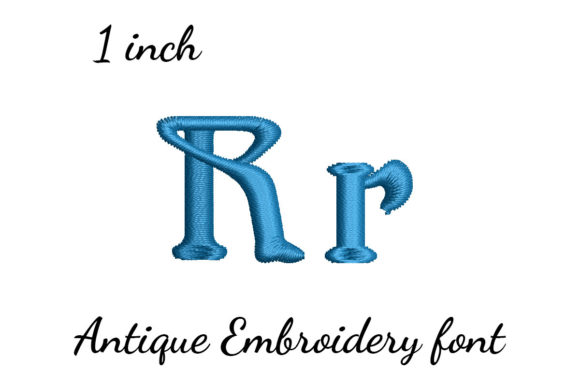
From the moment I opened the file, the R Font Antique stood out because it doesn't try to be modern or minimalist. It carries a distinct vintage weight that feels grounded and timeless. The shape of the letter R has a classic structure with flourishes that suggest old-world craftsmanship without being overly fussy. For a designer, this is crucial because the font dictates the entire aesthetic of the final piece.
This isn't a font that belongs on a neon-lit gym shirt. Instead, it naturally gravitates toward projects that need a touch of heritage. Whether you are creating a wedding monogram for a bride who loves rustic elegance or designing a set of kitchen towels for a holiday gift, this letter brings a sense of warmth and authenticity. The visual personality is confident yet approachable, making it perfect for handmade products where the story behind the brand matters as much as the product itself.
Real-World Application: From Screen to Stitch
Let me take you through a specific scenario I recently worked on. I needed a custom embroidered patch for a client's boutique line of aprons. They wanted something that felt like it belonged in a grandmother's kitchen but was durable enough for daily use. I tested R Font Antique on a heavy cotton canvas. The result was immediate satisfaction. The design held its integrity even on the textured fabric, which often causes smaller details to disappear.
In my experience with custom apparel, such as sweatshirts and t-shirts, this font shines when used for initial branding or large back prints. The antique style pairs beautifully with earth tones like sage green, mustard yellow, or deep navy. However, I also put it to the test on baby clothes. There is a delicate balance when embroidering for infants; the stitches must be soft but clear. This design manages that well, provided you choose the right thread colors. It transforms a plain onesie into a cherished keepsake, adding a layer of perceived value that customers are willing to pay for.
For those selling on platforms like Etsy, the visual appeal of your mockups is everything. Using R Font Antique in your printable mockup designs can significantly boost buyer engagement. It signals quality and attention to detail. When a potential customer sees a high-resolution image of a tote bag featuring this elegant lettering, they immediately understand that the finished product will be professional. This trust is vital for any craft business owner trying to stand out in a crowded market.
Where Caution Is Required
While I am a fan of this design, no single embroidery file is perfect for every situation. As an experienced reviewer, I need to point out where R Font Antique might struggle so you don't waste time and materials. First, consider the hoop size. If you are working with a very small area, such as the cuff of a hat or a tiny pocket on a child's dress, the intricate details of the antique style might get lost in the stitching process. Small letters require clean lines, and if the design is too dense, it can look muddy.
Textured fabrics can also be a challenge. While it performed well on canvas, using it on a highly looped towel or a fuzzy fleece might obscure the finer curves of the letter. Similarly, stretchy fabrics like jersey knit require careful stabilizer selection. If the fabric stretches during the machine run, the satin stitch edges of the R might pucker, ruining the antique look. In these cases, I recommend testing on scrap fabric first to see how the stitch density interacts with the material.
Another area to watch is dark fabric. If you do not have the correct thread contrast, the depth of the design will vanish. Always check your thread colors against the background before committing to a full production run. Additionally, if you are planning to wash the item frequently, ensure the design is anchored properly. Dense stitch areas can sometimes trap lint or cause wear over time if not executed with the right technique.
Practical Notes for Designers and Makers
- Test Before You Sell: Never skip the trial run. Stitch the embroidery design on a scrap piece of your actual fabric to check for puckering or thread breaks.
- Stabilizer Matters: Use the appropriate stabilizer for your project type. For embroidered patches or caps, you may need a cut-away stabilizer to maintain shape, whereas tear-away might suffice for a lightweight tea towel.
- Check File Formats: Ensure the digital embroidery file you purchased includes formats compatible with your specific machine. Most modern machines accept .pes, .dst, or .exp, but compatibility varies.
- Licensing Review: If you are a commercial user, verify the license terms. Some design assets allow for personal use only, while others permit selling finished goods. Confirm this before listing items on your shop.
- Mockup Testing: Create black and white versions of your design in your software. This helps you visualize the density and clarity without the distraction of color.
Final Thoughts on Value and Professionalism
The true measure of a good embroidery design is how it makes the end user feel. When a customer receives a personalized gift featuring R Font Antique, they should feel a connection to the care taken in its creation. The design elevates the finished product from a mass-produced item to a unique piece of art. It works seamlessly for wedding monograms, holiday gifts, and boutique branding.
For the small shop owner or the creative entrepreneur, investing in fonts that offer character and versatility is key. R Font Antique delivers on both fronts. It adds a layer of sophistication that enhances brand consistency and makes your handmade product memorable. Just remember to respect the limitations of the medium by choosing the right fabric, stabilizer, and thread. With the right preparation, this design is a powerful tool in your arsenal for creating beautiful, lasting embroidery projects.