Disco Dancer Embroidery Design Review
If you have ever stood behind a craft fair booth, watching customers walk past your table with their hands in their pockets, you know that visual impact is the difference between a sale and a missed opportunity. As an experienced embroidery designer who has produced hundreds of handmade product lines for weekend markets and online shops, I look at every new machine embroidery design through a very specific lens: Does it stop traffic? Is it practical to produce in batches? And does it translate well from a digital file to a tangible, high-value item?
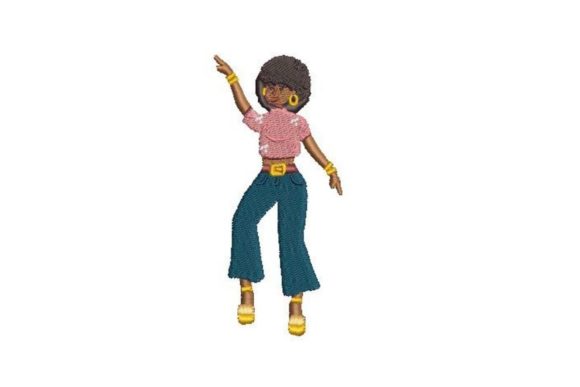
This week, I am reviewing the Disco Dancer design. The description promises a lovely dancer stitched onto a favorite jacket, noting it works perfectly for fans of the style and comes with multiple embroid options. While the title suggests a retro vibe, my job is to determine if this design holds up as a serious contender for your inventory. Here is my professional breakdown of how Disco Dancer performs in real-world production scenarios.
First Impressions and Visual Appeal
When I first loaded the embroidery file into my hoop, the immediate takeaway was boldness. In a sea of farmhouse florals and minimalist line art that saturates most Etsy seller listings right now, Disco Dancer stands out. It feels modern yet nostalgic. It is not subtle; it is designed to be seen. For a craft fair product, this is exactly what you want. You need a piece that catches the eye from three feet away.
The design likely carries a sense of fun and movement. This energy translates beautifully to wearable items. It does not feel rustic or overly decorative in a traditional sense; rather, it feels like a statement piece. This makes it ideal for brands that want to project creativity, joy, and individuality. If your boutique maker brand leans toward vibrant, expressive aesthetics, this design fits seamlessly. However, if your shop is strictly monochrome or ultra-minimalist, you might find this design too busy for your core audience.
Product Application: Where Disco Dancer Shines
Not all designs work on all products. Based on the dynamic nature of a dancing figure, here is where I see the highest profit potential for Disco Dancer.
Tote Bags and Market Bags
A tote bag design is often the bread and butter of craft fair sales. Placing Disco Dancer on a canvas tote creates an instant accessory that people are proud to carry. Because the design is lively, it pairs exceptionally well with neutral backgrounds like beige, black, or white canvas. The contrast allows the thread colors to pop, making the product photograph beautifully for your online listings. It transforms a simple utility item into a fashion statement.
Aprons and Tea Towels
Kitchen items are excellent impulse buys. An apron embroidery featuring a disco theme adds a playful touch to home decor. Similarly, tea towel embroidery can serve as a unique gift item. The key here is placement. Center chest on an apron or centered on a tea towel allows the full design to breathe. Avoid cramming it into small corners where the details might get lost.
Caps and Patches
Hats are a staple at handmade markets. If the hoop size of the design is compact enough, Disco Dancer can work well on structured caps. However, curved surfaces can distort fine details. I recommend testing this on a scrap cap first. Alternatively, creating an embroidered patch version gives you versatility. Customers can iron or sew the patch onto jackets, jeans, or backpacks, expanding the usability of the design beyond just one garment type.
Fabric Pouches and Pillow Covers
Small pouches make great add-on items at checkout. A zippered pouch with Disco Dancer is perfect for holding makeup, cables, or craft supplies. For pillow covers, the design acts as a focal point, adding character to a living room or bedroom. These items have a higher perceived value because they involve more fabric and labor, allowing you to price them accordingly.
Production Practicality and Batch Making
For any commercial embroidery business, efficiency is king. Can you make ten of these in an hour? Or does each one take twenty minutes of trimming and re-hooping? Designs with complex, scattered elements can slow down production. If Disco Dancer requires frequent thread changes or intricate positioning adjustments, it may reduce your hourly output.
However, if the design is contained within a standard hoop area and uses a manageable number of thread colors, it is highly repeatable. Batch production allows you to create a stack of identical items, which looks impressive on a display table and speeds up your workflow. Ensure the design aligns well with common blank stock sizes so you do not waste fabric or trim time.
Photography and Online Presentation
In the digital age, your printable mockup is just as important as the physical product. Disco Dancer lends itself well to lifestyle photography. Imagine the design on a denim jacket worn by a model dancing, or on a tote bag held against a bright, colorful background. The retro aesthetic invites fun, energetic photos that perform well on social media platforms like Instagram and Pinterest. When creating your design assets for listing images, focus on showing the texture of the stitches and the vibrancy of the threads to convey quality.
Technical Considerations and Careful Use Notes
Before you commit to mass production, there are technical hurdles you must address. As a designer, I always advise testing before selling.
- Stitch Density: Check the stitch density carefully. If the design has large areas of dense satin stitching, it may pucker thin fabrics like jersey or lightweight cotton. Always use the right stabilizer to support the fabric and prevent distortion.
- Detail Clarity: If the dancer includes tiny facial features or small lettering, ensure these elements remain clear when embroidered. Small details can disappear on textured fabrics like fabric texture found in heavy canvas or terry cloth tea towels.
- Thread Contrast: The success of this design relies heavily on color choice. On dark fabric, you will need bright, contrasting threads to maintain visibility. On light fabric, pastel or metallic threads might offer a softer, premium look. Test both to see which appeals more to your target demographic.
- Hoop Size Constraints: Confirm the hoop size required by the file. If the design is larger than 5x7 inches, you may need a larger machine or multi-hooping capabilities, which increases production time.
Final Verdict for Craft Fair Sellers
Disco Dancer is a strong candidate for your small shop product lineup if you are looking to inject some energy into your offerings. It bridges the gap between novelty and stylish accessory, making it appealing to a wide range of buyers. Its versatility across totes, apparel, and home goods means you can test multiple markets without investing in entirely new design concepts.
Remember to inspect the digital embroidery file for any errors, confirm commercial licensing terms, and create at least one real mockup to assess the final look. By paying attention to these details, you ensure that your finished product reflects the high quality your customers expect. If executed correctly, Disco Dancer could easily become a bestseller at your next craft fair, turning heads and filling orders.