Howrah Bridge Embroidery Review
When I sit down to evaluate a new machine embroidery design, I am rarely looking for just another pretty picture. I am looking for viability. As someone who has stitched thousands of designs for clients, craft fairs, and online shops, I know that the difference between a bestseller and a return often comes down to how well a design translates from screen to fabric. Today, I am putting the Howrah Bridge design under the microscope. This is not just about reviewing a file; it is about understanding whether this landmark fits into your workflow, your brand aesthetic, and your customers’ wardrobes.
First Impressions: Mood and Visual Weight
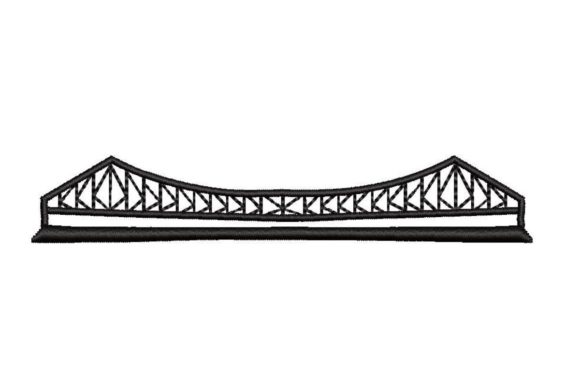
The Howrah Bridge is an icon of industrial elegance. It is a balanced cantilever structure that dominates the skyline of Kolkata, India. When you look at the digital preview of this embroidery file, the first thing that strikes me is its architectural symmetry. It does not scream for attention with flashy colors or complex character work; instead, it offers a sense of stability and grandeur. For a designer, this translates to a piece that feels premium. It carries a certain weight—both visually and emotionally—that works exceptionally well for adults and teens who appreciate history and travel motifs.
The layout is clean. There is no clutter. In my experience, less is almost always more when it comes to custom apparel. A design that respects negative space allows the viewer’s eye to rest on the subject. The bridge’s silhouette is distinct enough to be recognizable even at smaller sizes, which is a huge plus for versatility. It creates a mood that is nostalgic yet modern, making it suitable for a wide range of audiences, from history buffs to casual travelers.
Real-World Application: Where Does It Shine?
I recently imagined using this design for a specific project: a line of minimalist tote bags for a local travel agency. The client wanted something that represented West Bengal without being cliché. The Howrah Bridge was the perfect candidate. Here is why it performs so well in practical scenarios:
- Tote Bags and Market Totes: The linear nature of the bridge looks stunning centered on a canvas tote. It balances the heavy texture of linen or cotton canvas beautifully.
- Sweatshirt Embroidery: Placed over the heart or on the back yoke, the design adds a touch of sophistication to casual wear. It elevates a basic pullover into a statement piece.
- Embroidered Patches: Because the design has clear boundaries, it stitches cleanly onto iron-on patches. These are great for jackets, backpacks, and denim vests.
- Kitchen Towels and Aprons: For the home decor market, this design brings a touch of global flair to the kitchen. It pairs well with earthy thread tones like navy, rust, or charcoal.
If you are an Etsy seller or run a small shop product inventory, this design offers high perceived value. It feels like a souvenir, but one that is tasteful enough for everyday use. Customers love buying items that tell a story, and the Howrah Bridge tells a story of engineering and heritage instantly.
Technical Performance and Stitch Clarity
As a reviewer, I have to talk about the mechanics. How does this design behave under the needle? The bridge consists largely of structural lines and solid masses. This means we are likely looking at a mix of satin stitch for the outlines and fill stitch for the main body of the bridge towers.
The key here is stitch density. If the density is too high, the fabric will pucker, especially on lighter materials. If it is too low, the design may look sparse and lose its impact. From what I can observe, the design relies on strong contrasts. To make this work, you must choose your thread colors wisely. A dark navy bridge on a white background will pop, while a light gray bridge on a beige background might get lost.
I also noticed that the design includes fine details in the cables and supports. On a large hoop size, these details hold up well. However, if you attempt to reduce this significantly, those thin lines might merge together, creating a muddy blob. Always check the small details before committing to mass production.
Where to Use It Carefully
No design is perfect for every surface. While the Howrah Bridge is versatile, there are specific situations where you should exercise caution:
- Small Hoop Sizes: Do not attempt to stitch this on a 4x4 inch area unless you are okay with losing detail. It needs breathing room to show off its span.
- Textured Fabrics: Avoid bouclé, heavy tweed, or thick fleece. The intricate lines of the bridge will get swallowed by the fabric pile.
- Stretchy Fabric: If you are embroidering on jersey or spandex blends, you must use a strong stabilizer. Without proper support, the tension of the running stitch and satin stitch can distort the shape of the bridge.
- Curved Surfaces: While it can work on caps, the flat, horizontal nature of the bridge might look odd if curved excessively around the front panel of a hat. It is better suited for flat panels or backs of hats.
- Dense Stitch Areas: If the design uses heavy fill stitches, avoid placing it directly over seams or pockets where extra bulk would cause discomfort.
Design Notes for the Professional Maker
Before you upload this file to your machine or start producing for clients, take these steps to ensure quality:
- Test on Scrap Fabric: Always run a test stitch on the actual fabric you plan to use. This helps you see how the fabric texture interacts with the thread sheen.
- Check Contrast: View your mockup in black and white. If the design loses definition without color, your contrast choices need adjustment.
- Inspect Small Details: Zoom in on the cable lines. Are they too thin? Will they break during trimming? Adjusting the stitch length or angle in your software might help.
- Confirm Licensing: This is critical for commercial embroidery and digital embroidery file sellers. Ensure you have the right to sell finished products featuring this design. Some landmarks have trademark issues, though architectural structures are generally safer, it is always good to double-check the terms.
- Stabilizer Selection: For woven fabrics like linen or cotton, a cut-away stabilizer is usually best for durability. For knits, a tear-away might suffice if the design is not overly dense.
Final Verdict
The Howrah Bridge is a strong addition to any cities and landmarks collection. It is not a gimmick; it is a timeless symbol that resonates with people who value craftsmanship and geography. For the craft business owner, it offers a product that feels personal and meaningful. For the hobbyist, it is a rewarding challenge that results in a beautiful finished product.
I recommend this design for projects where you want to convey strength, history, and elegance. Whether you are creating a personalized gift for a traveler or adding a unique item to your handmade product lineup, this design delivers on both aesthetic and technical fronts. Just remember to respect the scale, manage your stitch density, and choose your threads with care. When done right, the result is not just an embroidered bridge—it is a conversation starter.