Lung Cancer Awareness Design Review for Merch
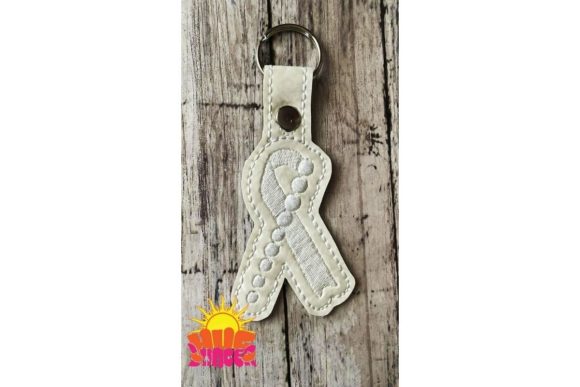
As an experienced embroidery designer who has spent years refining designs for commercial use, I often receive requests to evaluate new assets before they are released to small business owners. Today, I am reviewing the Lung Cancer Awareness design, specifically looking at its potential for branded patches, staff uniforms, and high-value merchandise. The product description highlights a beautiful ribbon with pearls, a bonus fob file, and multiple machine embroidery formats. This combination suggests a design that aims to balance elegance with a serious cause, but does it hold up under the scrutiny of a busy production floor? Let us dive into how this design performs when applied to real-world business applications.
First Impressions: A Blend of Elegance and Purpose
The initial visual impact of Lung Cancer Awareness is one of refined sophistication. Unlike many awareness designs that rely on bold, blocky lettering or standard ribbons, the inclusion of pearls immediately elevates the aesthetic. For a small business owner selling handmade products or running a boutique, this distinction matters. It signals a premium quality that aligns well with brands in the floral, bakery, or creative studio sectors. The design feels professional yet approachable, making it suitable for customer gifts, event merchandise, or as a subtle accent on custom apparel.
When viewing the digital embroidery file, the attention to detail in the pearl elements suggests a higher stitch density than average. This creates a tactile texture that can add significant perceived value to a finished product. Whether used on a tote bag design or as a chest logo accent, the design communicates care and thoughtfulness. However, for those creating branded patches or apron embroidery, the delicate nature of the pearl details requires careful consideration regarding durability and visibility.
Real-World Application in Small Business Merch
The versatility of this design makes it a strong candidate for various commercial projects. Imagine a local café launching a fundraising campaign; placing the Lung Cancer Awareness patch on staff aprons could serve as a powerful conversation starter while maintaining a uniform look. Similarly, for Etsy sellers or crafters, this design works beautifully as a branded product add-on. A small embroidered patch on a jewelry box, a cosmetic bag, or even a pet brand tag can transform a generic item into a meaningful keepsake.
In the realm of cap embroidery, the design offers a classic look that fits well on structured hats. It serves as an excellent sleeve detail for work shirts, allowing businesses to show support without overwhelming the garment. For product packaging accents, a small version of the design can be stitched onto hang tags or dust bags, reinforcing brand identity and customer trust. The fact that the design includes a bonus fob file is particularly valuable for makers who need smaller variations for keychains or zipper pulls, expanding the utility of the single purchase.
However, success in these applications depends heavily on the execution. When used for commercial embroidery, the design must maintain its integrity across different fabric textures. On a smooth cotton tote bag, the pearls will shine, but on a rough canvas or textured wool, the finer details might get lost. This is where the choice of thread colors becomes critical. High contrast is essential to ensure the ribbon stands out against dark uniforms or light-colored branding materials.
Strategic Considerations and Limitations
While the design is visually appealing, there are specific scenarios where caution is advised. Small patch sizes present a significant challenge. If the design is scaled down too much, the pearl details may merge together, losing their definition and creating a muddy appearance. For tiny lettering or intricate outlines, the stitch density can become problematic, leading to puckering or thread breaks during production.
Curved surfaces, such as the front panel of a baseball cap, require precise hoop size management. Without proper stabilization, the tension of the embroidery can distort the fabric, causing the ribbon to look uneven. Additionally, items that undergo frequent washing, such as work shirts or aprons, need to be evaluated for thread durability. While the design is likely durable, the fine details of the pearls may wear faster than solid fill areas if not stabilized correctly.
Dark uniforms also pose a risk for visibility. If the background fabric is black or navy, the ribbon must be embroidered in a thread color that provides sufficient contrast. Otherwise, the design risks blending into the shirt, defeating the purpose of the awareness message. In these cases, testing on the actual fabric before mass production is non-negotiable.
Impact on Brand Identity and Customer Trust
Using a well-crafted design like Lung Cancer Awareness significantly enhances brand identity. It shows customers that the business cares about more than just profit; it demonstrates a commitment to social causes and community support. This emotional connection fosters recognition and loyalty. When a buyer sees a consistent, high-quality design on a tote bag or a cap, it reinforces the professionalism of the brand.
For handmade product lines, the visual consistency provided by this asset helps unify the collection. It acts as a signature element that ties different products together, from product packaging to promotional giveaways. The "handmade" presentation is elevated when the embroidery looks crisp and intentional, rather than sloppy or generic. This level of quality directly influences buyer engagement and willingness to pay a premium price for the goods.
Practical Designer Notes for Production
Before committing to a large run of Lung Cancer Awareness branded items, follow these essential steps to ensure a flawless finished product. First, test the design in black and white on your screen to check the composition and spacing. This helps identify any potential issues with negative space or overcrowding.
Always review the thread color contrast against your target fabric. Create a printable mockup to visualize the final result on the actual item, such as a hat or apron, before stitching. Confirm the hoop size required for the design to ensure it fits within the available embroidery area without cutting off details. Inspect the spacing between the ribbon and the pearls to ensure they do not touch in a way that causes thread clumping.
Use proper stabilizer for every project. The type of stabilizer should match the fabric texture; heavy-duty cut-away is often necessary for caps and jackets, while tear-away may suffice for lighter fabrics. Test the design on a scrap piece of the real fabric first to check for puckering or distortion. Finally, compare the design beside other design assets in your library to ensure it maintains visual consistency with your existing brand style.
Most importantly, confirm commercial licensing before using the design for business purposes. Ensure you have the rights to sell items featuring this embroidery. If the product description mentions multiple file formats, verify that the format matches your specific machine software. By following these guidelines, you can leverage the beauty of the Lung Cancer Awareness design to create impactful, professional merchandise that supports a vital cause while growing your small business.