Mini Colorful Butterfly: A Designer's Real-World Review
As someone who has spent years evaluating digital assets for everything from boutique branding to custom family gifts, I approach every new machine embroidery design with a mix of excitement and skepticism. The market is flooded with files that look perfect in a preview but fail miserably when the needle hits the fabric. Today, I am putting the Mini Colorful Butterfly through its paces to see if it truly deserves a spot in my library for real projects. This review focuses on practical application, visual impact, and how this specific piece fits into the workflow of an Etsy seller or a serious crafter.
First Impressions and Visual Personality
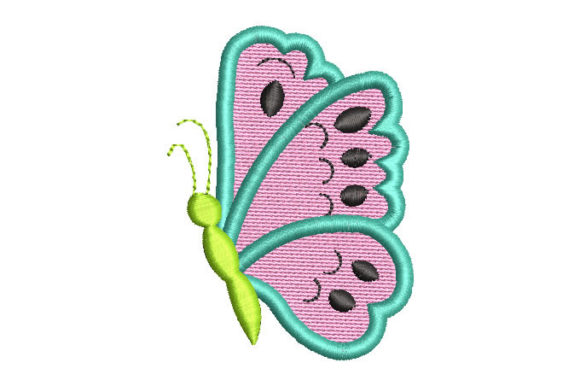
The moment you open the file, the mood is immediately set. Unlike heavy, dense designs that scream "commercial," the Mini Colorful Butterfly exudes a lightness and whimsy that feels perfectly suited for delicate work. It belongs naturally to the Bugs category, yet it transcends simple insect representation to become a charming decorative element. The layout suggests a design that relies on vibrant thread colors rather than massive fill areas, which is a promising sign for stitch clarity.
For a designer looking to add a touch of spring or nature to a collection, this file offers immediate versatility. It doesn't feel like a generic clip-art; instead, it has a handcrafted aesthetic that aligns well with the handmade movement. When I imagine stitching this out, I see it creating a focal point without overwhelming the garment. It strikes a balance between detail and simplicity that often gets lost in digital files, making it a strong candidate for embroidery project files intended for small business merchandise.
Real-World Application: From Concept to Finished Product
To truly understand the value of a design, we must move beyond the screen and imagine it in a real-life scenario. Let's say I am preparing a custom order for a client who wants a personalized gift for a baby shower. The goal is to create a soft, organic look on a onesie or a nursery pillow. In this context, the Mini Colorful Butterfly shines. Its compact size allows it to sit gracefully on the chest of a onesie or center stage on a receiving blanket without looking cluttered.
I also envision this design being used for a tote bag design meant for a local craft fair. Imagine a canvas tote featuring a cluster of these butterflies in varied thread colors. The result would be a high-end handmade product that customers are willing to pay a premium for. The colorful nature of the design adds instant visual appeal, turning a plain accessory into a statement piece. For an Etsy seller, this translates directly to better click-through rates and higher perceived value in a listing photo.
Furthermore, consider the potential for holiday embroidery. During the warmer months or spring holidays, a subtle butterfly motif can elevate a kitchen towel or an apron. It brings a sense of joy and freshness to utilitarian items. Whether you are creating custom apparel like sweatshirts or designing embroidered patches for jackets, the Mini Colorful Butterfly provides a versatile asset that bridges the gap between hobbyist fun and professional polish.
Navigating Technical Challenges and Limitations
While the design is beautiful, no single file is a magic bullet for every situation. As an experienced reviewer, I must highlight where caution is required. One of the primary concerns with any detailed design is the hoop size. If the Mini Colorful Butterfly contains intricate details in a very small area, attempting to stitch it on a textured fabric or a stretchy material could lead to distortion. Thin fabrics might not support the tension required for a clean finish, potentially causing puckering around the wings.
Dark fabrics present another challenge. Because the design relies on color contrast to define the shape, using dark threads on a dark background will require careful planning. You may need to adjust the thread colors or add a stabilizer layer to ensure the details pop. Additionally, if you plan to use this for commercial embroidery on curved surfaces like caps, the curvature of the hat might alter the proportions of the wings, making them appear slightly off-center unless the digitizing accounts for the curve specifically.
Dense stitch areas should always be inspected closely. If the file uses too much satin stitch in a confined space, the fabric underneath can become stiff and uncomfortable, especially for baby clothing. Similarly, while the design is described as working with many fabrics, highly textured materials like bouclé or heavy fleece might hide the finer details of the butterfly. In these cases, the design might lose its visual personality, rendering it less effective as a finished product.
Impact on Brand Value and Customer Trust
In the world of small business and creative entrepreneurship, the quality of your output dictates your reputation. A poorly executed embroidery file can ruin a brand image instantly. However, a well-stitched Mini Colorful Butterfly enhances brand consistency and professionalism. When customers receive a personalized gift or a boutique item that features crisp lines and vibrant colors, their trust in your craftsmanship grows.
This design contributes significantly to product value. A simple t-shirt becomes a collectible item when adorned with a beautifully rendered butterfly. It increases buyer engagement because the visual interest encourages sharing on social media platforms. For those selling digital product previews or printable mockups, having a high-quality source file like this ensures that your marketing materials look authentic and appealing.
Practical Designer Notes for Execution
Before you commit this design to a final production run, there are several critical steps to take. First and foremost, always test the design on scrap fabric first. This simple step can save you hours of frustration and prevent damage to expensive garments. Check the stitch density by reviewing the file structure; if the density seems too high for the chosen fabric weight, consider adjusting the settings or selecting a different backing.
Review the stabilizer requirements carefully. Depending on whether you are working with knit or woven fabrics, the type of stabilizer (cut-away vs. tear-away) will determine the longevity of the embroidery project. Inspect small details under magnification to ensure that tiny elements like antennae or wing veins are clear and won't get lost in the fabric weave. It is also wise to test the design in black and white mockups to verify that the shapes hold up even without color.
Compare light and dark fabric backgrounds to ensure the thread choice works for both. If you are planning to sell finished items, confirm licensing terms explicitly. Some files allow for commercial use on a per-item basis, while others restrict the number of units sold. Always check whether the design works for both personal and commercial projects before listing it on your shop. Finally, ensure the file formats are compatible with your machine software, as compatibility issues can disrupt your workflow.
The Mini Colorful Butterfly is more than just a pretty picture; it is a tool for creativity and commerce. When handled with care and technical precision, it can transform ordinary fabrics into extraordinary keepsakes. Whether you are decorating a baby item, creating a patch, or adding a unique touch to a sweatshirt, this design offers the flexibility needed for modern crafting. By approaching it with the right preparation and respect for its limitations, you can produce a handmade product that stands out in a crowded marketplace.