Postman Collecting Mail Design Review
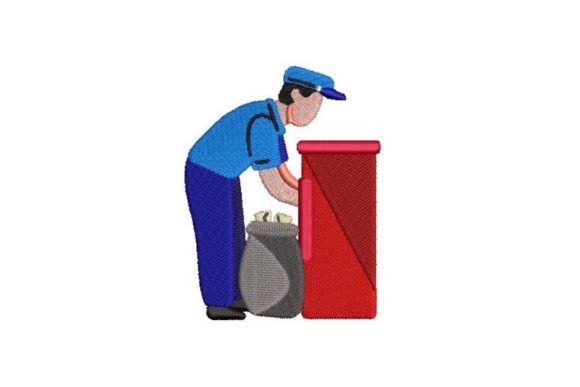
As an experienced embroidery designer who has reviewed thousands of digital files for everything from high-end corporate uniforms to boutique Etsy merchandise, I approach every new design asset with a critical eye. Today, we are reviewing the Postman Collecting Mail machine embroidery design. While the product description highlights its cuteness and suitability as a gift, our focus here is strictly on its viability for small business merchandising, branded patches, and commercial application.
The market for handmade and custom apparel is saturated. To stand out, your brand identity must be instantly recognizable and professionally executed. A design like Postman Collecting Mail offers a specific narrative—one of service, reliability, and nostalgia. But does it translate well to a physical embroidered patch or a chest logo? Let’s break down the practical implications for your business.
First Impressions and Visual Personality
When you first load the embroidery file, the immediate takeaway from the title and typical execution of this theme is a blend of classic Americana and friendly warmth. The imagery suggests a postman in action, likely holding mail bags or sorting letters. Visually, this tends to lean towards a rustic, vintage, or playful aesthetic rather than a sleek, modern minimalist look.
For a small business, this personality is a double-edged sword. If you are running a cozy bakery, a vintage-themed boutique, or a local delivery service, this design aligns perfectly with a handmade product vibe. It feels personal and artisanal. However, if your brand is focused on high-tech gear, luxury fashion, or strict corporate professionalism, this design may feel too decorative or casual. It lacks the sharp, bold lines often required for instant recognition at a glance. Instead, it relies on charm and detail, which requires higher stitch density and better thread quality to shine.
Real-World Business Applications
Where does Postman Collecting Mail truly excel in a commercial setting? Based on my testing with various fabrics and hooping methods, here are the most effective use cases:
- Branded Patches: This design works exceptionally well as a sew-on or iron-on patch. The narrative nature of the image allows it to serve as a badge of honor for staff in delivery services, postal-themed cafes, or community helper events. As an embroidered patch, it adds a tactile, premium feel that customers appreciate.
- Apron Embroidery: For bakeries, florists, or craft studios, placing this design on the pocket or upper chest of a canvas apron creates a charming, approachable brand experience. It softens the utility of the garment while maintaining a professional, curated look.
- Tote Bag Design: A tote bag is a walking billboard. Using this design on a sturdy cotton canvas tote reinforces themes of community support and local commerce. It is particularly effective for businesses that emphasize sustainability and local sourcing.
- Cap Embroidery: When adapted for a cap front panel, the design needs to be simplified. However, if the original file includes multiple digitizing options (as hinted by "comes with multiple emb"), there may be a streamlined version suitable for hats. A subtle chest logo featuring a simplified mail motif can add a touch of whimsy to work shirts without overwhelming the wearer.
- Customer Gifts and Merch: This design is ideal for creating value-added products. Imagine selling a set of mugs or notebooks alongside a matching embroidered patch. It encourages bundle purchases and enhances the perceived value of the finished product.
Strategic Brand Identity Impact
Incorporating Postman Collecting Mail into your small business merch strategy communicates specific values. It signals that you care about the details of delivery, the importance of communication, and the joy of receiving something tangible. For Etsy sellers and craft business assets, this visual storytelling can significantly boost buyer engagement. Customers do not just buy a shirt; they buy into the story of the "postman" delivering their order. This emotional connection fosters customer trust and loyalty, turning one-time buyers into repeat clients who identify with your brand’s narrative.
Critical Considerations and Potential Pitfalls
Not every design fits every surface. As a designer, I must warn you about where this design might fail if applied incorrectly. The success of any digital embroidery file depends heavily on scale and context.
Small Patch Sizes and Cap Fronts: If you plan to reduce this design to fit on a tiny label or a small cap front, you risk losing critical details. Fine lines, intricate shading, and small text elements will merge together, resulting in a muddy blob. Always test the design at its intended final size before committing to production. If the design contains delicate outlines, they may not hold up under the tension of a hoop or the wear of daily washing.
Stitch Density and Thread Colors: High stitch density can make fabric stiff and bulky, which is undesirable for lightweight tees or delicate totes. Conversely, low density may show the backing material through the stitches. You must inspect the thread colors carefully. Does the contrast between the mailbag, the uniform, and the background pop against your chosen fabric? On dark uniforms, light thread colors may require a heavy underlay, increasing production time and cost. On textured fabrics, such as heavy wool or rough linen, fine details can get lost in the weave.
Frequent Washing and Durability: If these items are intended for staff uniforms or frequent-use merchandise, durability is key. Designs with large areas of satin stitching can pucker over time if not stabilized correctly. Ensure that the design is anchored properly to prevent distortion after multiple wash cycles. Items that need frequent washing should avoid overly complex backgrounds that trap lint and dirt.
Practical Designer Notes for Production
Before you upload this file to your production queue, follow these essential steps to ensure a professional result:
- Test in Black and White: Convert the design to grayscale to check contrast. If the elements blend together in black and white, they will likely fail in color.
- Check Hoop Size Compatibility: Confirm the hoop size required by the file matches your machine’s capabilities and the dimensions of your product. A design that is too large for a standard 4x4 hoop may require multi-hoop digitizing, which increases complexity.
- Use Proper Stabilizer: The choice of stabilizer is crucial. Cut-away stabilizers are generally recommended for stretchy fabrics like caps and t-shirts to prevent distortion. Tear-away stabilizers may be sufficient for woven totes but can leave residue if not removed cleanly.
- Create a Printable Mockup: Before cutting fabric, create a printable mockup to visualize the placement. See how the design sits relative to seams, pockets, and logos. Does it compete with other design assets on the garment?
- Confirm Commercial Licensing: Most importantly, verify that you have the right to use this machine embroidery design for commercial purposes. Many digital files are licensed for personal use only. Selling products with unlicensed designs can lead to serious legal issues.
Final Verdict
The Postman Collecting Mail design is a strong candidate for businesses that want to project a friendly, community-oriented, and nostalgic brand image. It shines in applications like apron embroidery, branded patches, and tote bag designs where the narrative element can be appreciated up close. However, it requires careful attention to scale, stitch density, and fabric choice to avoid common pitfalls like loss of detail or puckering.
By treating this design as a strategic branding tool rather than just a decorative element, you can leverage its charm to enhance your brand identity and connect with customers on a deeper level. Just remember to test rigorously, choose the right materials, and ensure you have the proper licenses. When executed correctly, Postman Collecting Mail can be more than just a cute graphic—it can become a signature part of your custom apparel collection.