Sports Car Outline: A Designer's Review for Business Merch
As a professional embroidery designer who has spent years refining designs for commercial use, I know that selecting the right digital asset is about more than just aesthetics. It is about functionality, brand perception, and the durability of the finished product. When evaluating Sports Car Outline, a design categorized under Transportation and Embroidery, I look at how it translates from a screen to a physical object on a small business owner's merchandise. This review focuses on how this machine embroidery design performs when applied to real-world assets like branded patches, staff uniforms, and custom apparel.
First Impressions: Personality and Brand Alignment
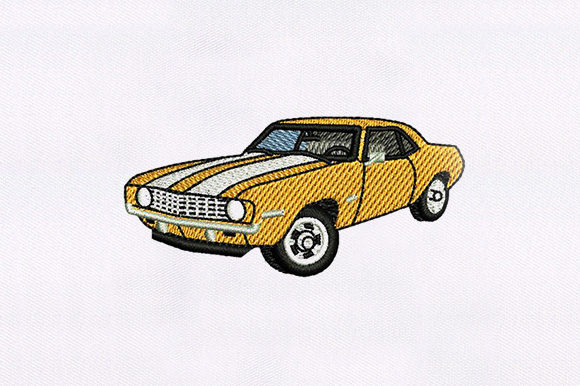
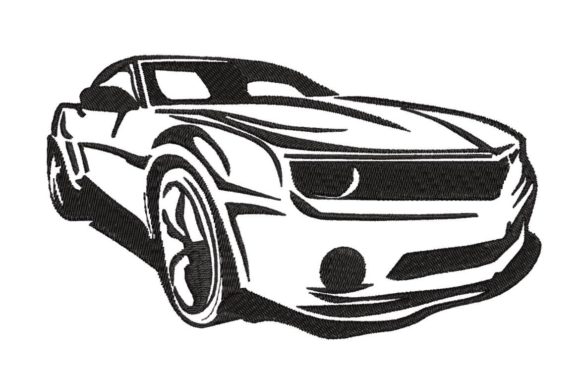
The description for Sports Car Outline suggests a design that balances class with speed, targeting enthusiasts who value adventure. Visually, an outline-based sports car typically conveys a modern, sleek, and dynamic personality. Unlike filled designs that can feel heavy or rustic, an outline style often feels lighter and more elegant, making it suitable for brands that want to appear premium without being overly ornate. For a creative studio, a boutique, or a handmade shop, this design offers a versatile visual anchor that implies motion and sophistication.
However, the "outline" nature requires careful consideration. While it looks clean on a digital mockup, the success of the final piece depends heavily on execution. The design promises to be perfect for fancy car enthusiasts, but does it hold up as a subtle accent for a local bakery or a florist? In many cases, yes. The minimalist approach allows the design to serve as a sophisticated logo accent rather than a dominant graphic, which is crucial for maintaining a cohesive brand identity across various touchpoints.
Real-World Application: From Patches to Product Labels
In the realm of small business merch, versatility is key. Sports Car Outline shines when used as an embroidered patch. Small businesses often need durable branding that can withstand frequent washing and handling. Applying this design to a patch allows it to be easily transferred onto tote bags, aprons, or work shirts. For a café, this could become a signature mark on barista aprons, instantly communicating a love for speed and energy. For a pet brand, it might represent the adventurous spirit of their customers.
The design also excels in cap embroidery. The curved surface of a baseball cap or a trucker hat demands a design that reads well from a distance. An outline style generally works better here than complex fills because it reduces the risk of thread bunching. As a chest logo accent on a work shirt, it adds a touch of flair without overwhelming the wearer. Furthermore, for Etsy sellers and crafters, this digital embroidery file can be used to create unique product packaging accents. Imagine a sticker-like embroidered label sewn onto the corner of a handmade bag or a tag attached to a piece of jewelry. These details elevate the perceived value of the finished product and signal to the buyer that care was taken in the creation process.
When integrating Sports Car Outline into event merch, such as a charity run or a corporate team-building day, the design acts as a unifying visual element. It provides a clear focal point for group identification while remaining stylish enough for everyday wear. Whether it is used on a sleeve detail or a large back print, the design supports the narrative of a brand that values movement and progress.
Critical Considerations for Production Success
While the potential is high, an experienced designer knows where pitfalls lie. There are specific scenarios where Sports Car Outline requires caution. One major concern is small patch sizes. If the design is scaled down too much, the delicate lines of the outline may merge, causing the car shape to lose definition. On a tiny lapel pin or a very small cap front, the intricate details of the outline might disappear entirely, leaving a blurry blob.
Stitch density is another critical factor. Outlined designs often require precise spacing between threads to maintain their structure. If the stitch density is too high, the fabric may pucker, especially on lightweight materials like cotton tees or sheer polyester blends. Conversely, if the density is too low, the design may lack stability. When working with textured fabrics, such as denim or heavy canvas, the outline needs to be robust enough to stand out against the weave. Additionally, on dark uniforms, the contrast of the thread colors becomes paramount. A light-colored outline on a black background might get lost unless the correct underlay and thread choice are made.
Frequent washing is a reality for items like aprons and work shirts. Designs with high levels of detail or thin outlines can sometimes fray over time if not stabilized correctly. Therefore, testing the design on the actual intended fabric before mass production is non-negotiable. The hoop size must also be confirmed; a design that fits perfectly in a 4x4 hoop might distort if forced into a smaller frame or stretched incorrectly on a larger one.
Impact on Brand Identity and Customer Trust
The choice of design directly influences customer trust and recognition. A poorly executed embroidery job can make a business look amateurish, whereas a crisp, well-placed design like Sports Car Outline projects professionalism. When a customer sees a consistent, high-quality logo on a tote bag or a uniform, it reinforces the idea that the business cares about quality control. This visual consistency builds a stronger emotional connection with the buyer.
For handmade brands, the use of a professional-grade digital embroidery file bridges the gap between a craft project and a commercial product. It elevates the presentation, making the item feel like a premium gift rather than a simple souvenir. By using a design that implies class and speed, a business can subtly align its values with those of its target audience. This alignment enhances engagement and encourages repeat purchases, as customers feel they are buying into a lifestyle, not just a product.
Essential Designer Notes for Commercial Use
Before deploying Sports Car Outline in any commercial embroidery project, several practical steps must be taken. First, always test the design in black and white to ensure the structural integrity of the lines holds up without the distraction of color. Check if the design remains legible at the smallest intended patch size. Review thread color contrast carefully; sometimes a metallic thread can add a necessary pop to an outline design, while other times a matte finish is preferred for a subtler look.
Inspect the spacing within the design file. Ensure there is adequate room between stitches to prevent tearing or distortion. Confirm the recommended hoop size and select the appropriate stabilizer for the fabric texture you are using. A floating technique might be necessary for unstable fabrics, while cut-away stabilizers are best for stretchy knits. Create a printable mockup for client approval before running the first production batch. This step saves time and resources by ensuring the client is happy with the placement and scale.
Finally, compare this design alongside other design assets to ensure it fits the overall aesthetic of your brand library. Most importantly, confirm commercial licensing terms. Just because a file is available for purchase does not automatically grant unlimited rights for mass production. Verify the license agreement to avoid legal issues. By following these guidelines, small business owners and decorators can maximize the value of Sports Car Outline, turning a simple digital file into a powerful tool for brand growth and customer satisfaction.